

Root Canal Treatment | Restore Comfort and Function | All Smilez
A trip to India usually involves spending time with family, meeting friends and taking care of personal responsibilities. But these plans can be disrupted quickly if the toothache is persistent. If you’re a Non Resident Indian (NRI) visiting India, don’t ignore dental discomfort or postpone an examination just because your stay is temporary.
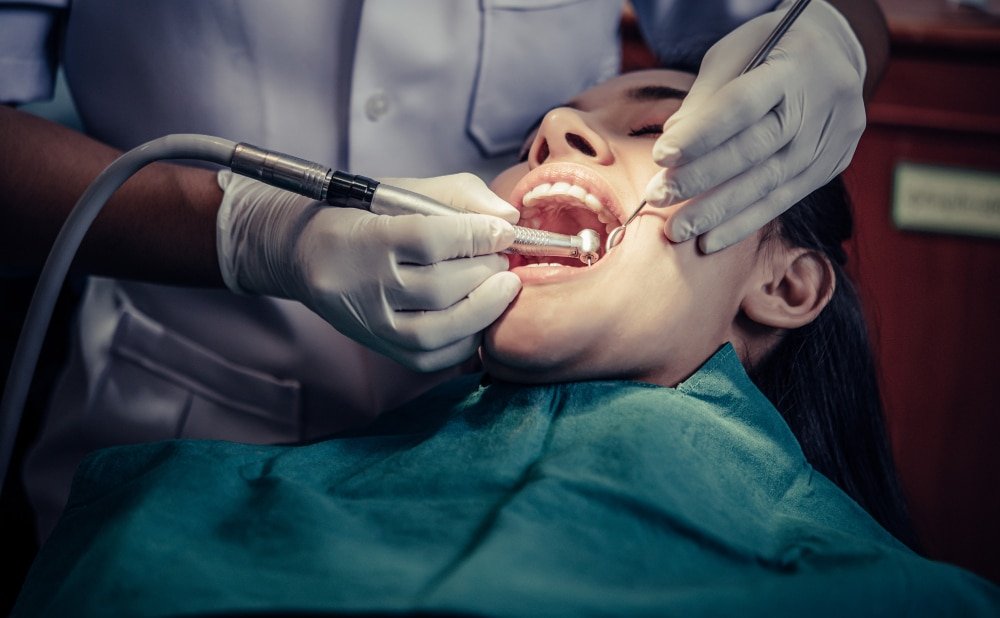
There are many reasons why your tooth may hurt, including tooth decay, a cracked tooth or inflammation of the dental pulp. Some NRI patients may consider root canal treatment in Mumbai as a viable option to treat an infected or inflamed pulp and save a natural tooth.
Knowing about the warning signs, the treatment and the appointment requirements can help you make informed decisions about your dental health while in India.
1. Recognise the Warning Signs of a Possible Root Canal Problem
Not every toothache requires a root canal. However, certain symptoms may indicate that the inner tissues of a tooth are affected and need professional assessment.
Watch for the following signs:
- Persistent toothache: Pain that continues, returns frequently or interferes with daily activities.
- Sensitivity to hot and cold: Discomfort that lingers after consuming hot drinks or cold foods.
- Pain while chewing: Tenderness or discomfort when biting down on food.
- Swelling around the gums: Swelling near a painful tooth may indicate infection.
- Tooth discolouration: A tooth that becomes noticeably darker may require investigation.
- A pimple-like swelling on the gums: This can sometimes indicate an underlying dental infection.
These symptoms are not an indication that root canal therapy is required. The dentist will have to examine the tooth and may suggest x-rays or other diagnostic tests to find the cause.
Seek urgent medical or dental care if you have swelling of your face, fever, trouble swallowing or trouble breathing. If you have trouble breathing or swallowing, call for emergency help.
2. Why Might You Need Root Canal Treatment?
The pulp is the soft tissue inside a tooth containing nerves and blood vessels. Deep decay, cracks, trauma or repeated dental procedures can damage this tissue and cause inflammation or infection.
When the pulp is irreversibly inflamed or infected, root canal treatment may be If the pulp is permanently inflamed or infected, root canal treatment may be advised to remove the affected tissue, clean the internal canals and seal the space. damage to the tooth is significant , it may need a filling or crown to restore its strength and function .
The first step should be a correct diagnosis and not that every painful tooth has to be treated in the same way for NRIs requiring root canal treatment for NRI patients.
3. What Happens During Root Canal Treatment?
If the pulp is irreversibly infected or inflamed, we may need to perform a root canal treatment to remove the infected tissue, clean the internal canals and seal the space.manageable.
Step 1: Examination and diagnosis
The dentist examines the tooth, assesses your symptoms and may take dental X-rays to understand the extent of the problem.
Step 2: Local anaesthesia
Local anaesthesia is generally used to numb the affected area and help manage discomfort during the procedure.
Step 3: Cleaning the tooth
The dentist creates an opening in the tooth, removes the affected pulp tissue and cleans and shapes the root canals.
Step 4: Sealing the canals
Once the canals have been cleaned and prepared, they are filled and sealed with suitable materials.
Step 5: Restoring the tooth
Depending on the amount of natural tooth remaining and the forces to which it must be subjected, the tooth may require restoration with a filling or a crown.
The number of appointments may differ depending on the condition of the tooth, the nature of the canals, the presence of infection and how the individual responds to treatment. Once your dentist has assessed your case, he/she should tell you what to expect.
4. How Should NRIs Plan Treatment During Their Stay in India?
If you are staying in India for a limited period, planning your dental appointments early can help you manage your schedule more effectively.
Before beginning treatment, consider the following:
- Share your symptoms clearly: Explain when the pain started, what makes it worse and whether you have experienced swelling or sensitivity.
- Bring previous dental records: Existing X-rays, reports and details of earlier treatment may help with the assessment.
- Discuss your travel dates: Tell your dentist when you plan to leave India so that the appointment schedule can be considered.
- Ask about the full treatment plan: Confirm whether additional visits, a permanent restoration or follow-up examinations may be necessary.
- Arrange time for unexpected needs: Complicated cases may require additional treatment or review appointments.
Some root canal treatments are done in one sitting, while others take several visits. Treatment should not be rushed or promised to be completed in a particular time without a clinical assessment.
If you are looking for root canal treatment in Mumbai for NRI patients, then look for a realistic treatment plan and proper restoration rather than just looking for the quickest appointment.
5. Does Root Canal Treatment Hurt?
The most common question is probably, “Does it hurt to get a root canal?” Modern techniques and local anaesthesia help to control discomfort during the procedure. Many patients find that treating the underlying problem relieves pain caused by inflammation or infection.
You may experience some tenderness for a few days after treatment (particularly if the tissues around the tooth were already inflamed). The dentist will be able to recommend suitable aftercare and pain management based on your medical history and individual circumstances.
if pain gets worse, swelling develops or symptoms get worse after treatment, contact your dentist immediately rather than waiting until you are back abroad.
6. What Should You Do After Treatment?
Following the dentist’s instructions is important for healing and protecting the treated tooth.
Depending on your case, your dentist may tell you to avoid eating hard foods on the treated tooth until the permanent restoration is completed. Follow your doctor’s instructions for taking any medications. Continue your normal oral hygiene routine.
After the root canal treatment, the tooth may require a crown or other appropriate restoration to reduce the risk of fracture. Do not think that you are done with the treatment just because the pain has gotten better.
Before leaving India, ask if you need to see the doctor again and get copies of your treatment record. These records can help your next dentist understand what has been done and what is left to do if you continue care abroad.
Frequently Asked Questions
Can NRIs get root canal treatment during a short visit to India?
Yes, root canal treatment may be completed during a short visit, depending on the condition of the tooth and the complexity of the case. NRIs should share their travel dates with the dentist in advance to plan appointments and any necessary follow-up care.
Is root canal treatment painful?
Root canal treatment is generally performed under local anaesthesia to minimise discomfort during the procedure. Some tenderness may occur afterwards, but your dentist can advise you on suitable aftercare and pain management based on your individual needs.
Can I travel abroad after root canal treatment?
Travel may be possible after treatment, but the appropriate timing depends on your dental condition and whether further procedures are needed. Before leaving India, ask your dentist about healing, any temporary restoration, the need for a permanent crown and follow-up arrangements.
Smiley Tips

If you are visiting India, tooth pain can be a nuisance, but leaving it untreated can allow a dental problem to progress. Persistent pain, prolonged sensitivity, swelling, and pain on chewing should be evaluated by a qualified dentist. A root canal can save a tooth with irreversible pulpitis or infection, but the correct approach depends on an individual diagnosis.
All Smilez Dental Clinic, Borivali West, Mumbai is 25 years old legacy which tells a lot about the long standing dedication of the clinic towards dental care. If you are an NRI and currently in India and thinking of root canal treatment in Mumbai for NRI patients, book a consultation to know your diagnosis, treatment options, expected appointments and restoration requirements.
Treatments should be planned around your dental needs and professional advice should be followed and any follow-up care needed should be arranged before travelling home.
All Smilez Dental Clinic — Your Smile, Our Pride.
Image Reference: Magnific
Disclaimer: All trademarks, logos, and brand names are the property of their respective owners. All company, product, and service names used in this website are for identification purposes only. Use of these names, trademarks, and brands does not imply endorsement.